Book Talk: The Cold War, the Bomb and the Professors Who Turned Around CIA Book talk at the University of Victoria, Wellington
THE COLD WAR, THE BOMB, AND THE PROFESSORS WHO TURNED AROUND THE CIA
On 21 May 2026, Dr Grace talked to the CSS audience about his new book, The Intelligence Intellectuals: Social Scientists and the Making of the CIA.
The attack on Pearl Harbour in December 1941 established a lasting fear in the U.S of strategic surprise, which led to the concept of a centralised intelligence agency and the creation of CIA. By early 1950, with China having turned Communist, the USSR having tested the atom bomb and the outbreak of the Korean War, CIA was considered to be failing in its mission. In his new book: The Intelligence Intellectuals. Social Scientists and the Making of the CIA (Georgetown University Press), Peter Grace shows how professors were brought into the Agency to overhaul the intelligence product and address the urgent need to understand Soviet intentions and capabilities. A leading intelligence academic has said of the book "The Intelligence Intellectuals is sure to become the standard reference for anyone seeking to understand the intellectual foundations of American intelligence analysis.”
Podcast: From Ivory Tower to Iron Curtain: The Academics Who Reshaped CIASpy Cast podcast (International Spy Museum, Washington D.C)
FROM IVORY TOWER TO IRON CURTAIN: THE ACADEMICS WHO RESHAPED THE CIA
Spy Cast podcast (International Spy Museum, Washington D.C)
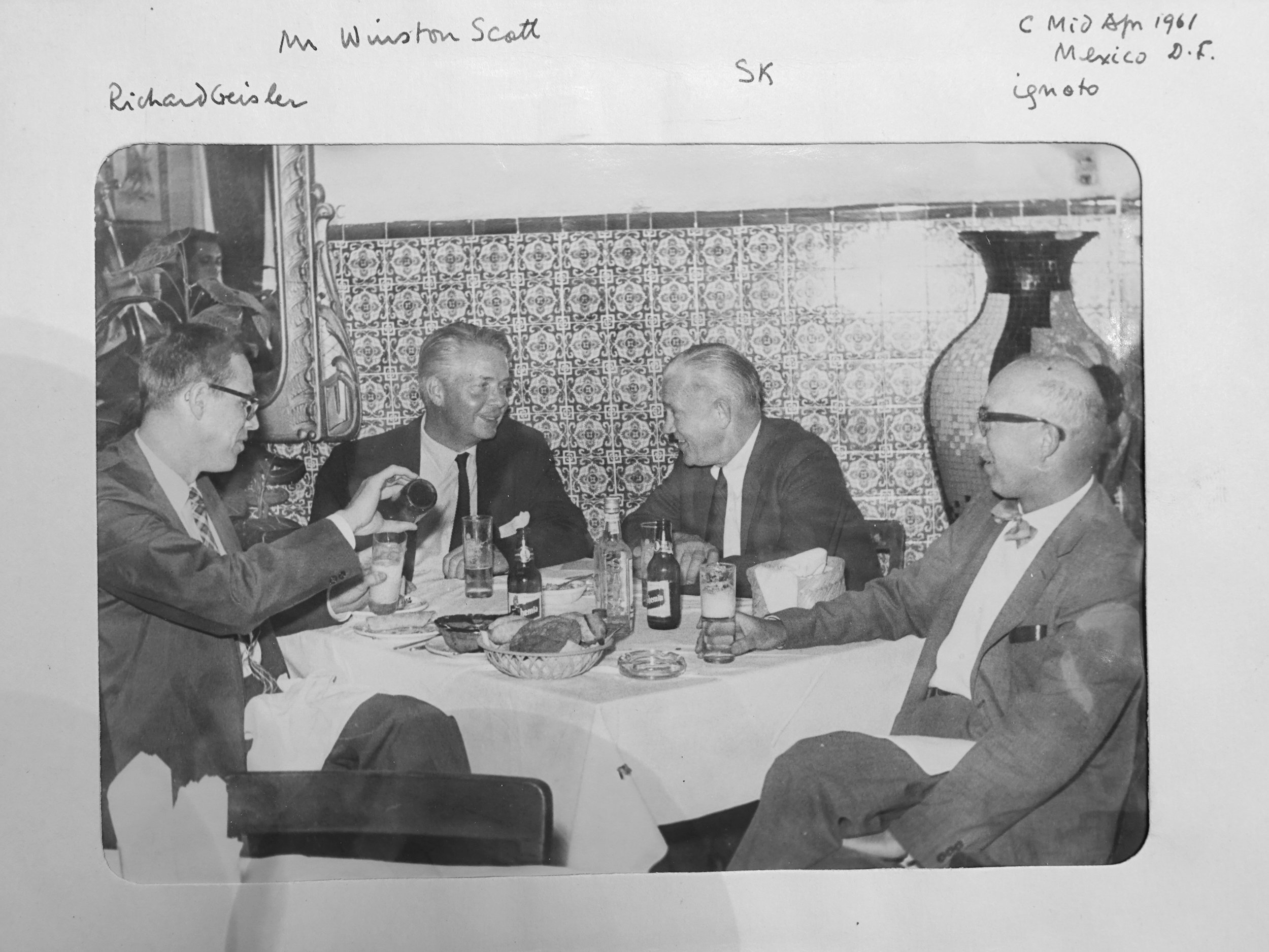
“Mysterious and Glamorous”. CIA analyst Sherman Kent had Bond’s style.
“MYSTERIOUS AND GLAMOROUS”. CIA ANALYST SHERMAN KENT HAD BOND’S STYLE.
James Bond may have his Rolex watch and Aston Martin DB5, but CIA analyst Sherman Kent could match him on most matters of taste. The man that Yale historian Wallace Notestein once described as “mysterious and glamorous” was instrumental in establishing the CIA’s Office of National Estimates: where assessments critical to U.S foreign policy were created throughout the Cold War.
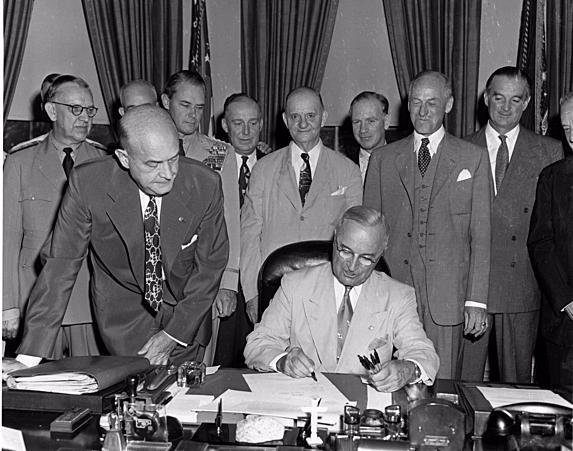
What can big business learn from the CIA’s 1950s restructure?
WHAT CAN BIG BUSINESS LEARN FROM THE CIA’S 1950S RESTRUCTURING?
Ron Carucci recently wrote in the Harvard Business Review that businesses are "desperately trying to make sense of the unknown” in geopolitics.
Things are changing so fast, CEOs can't keep up, and its losing them the confidence of stakeholders. CIA's restructure in late 1950 is a remarkable story of an organizational turnaround, in the middle of a war. It's a textbook case study of how to deal with uncertainty when uncertainty is your business, and what your performance is judged on.
Intelligence Oversight: the Watchers and the Watchdog
INTELLIGENCE OVERSIGHT: THE WATCHERS AND THE WATCHDOG
Book Review: National Security Journal (NZ)
Collision crossroads
Threats at home and abroad leave New Zealand under pressure to boost security on multiple fronts – with implications for more than just the Defence budget.
For safety’s sake
Would you be willing to give up your freedom to be protected by the state?
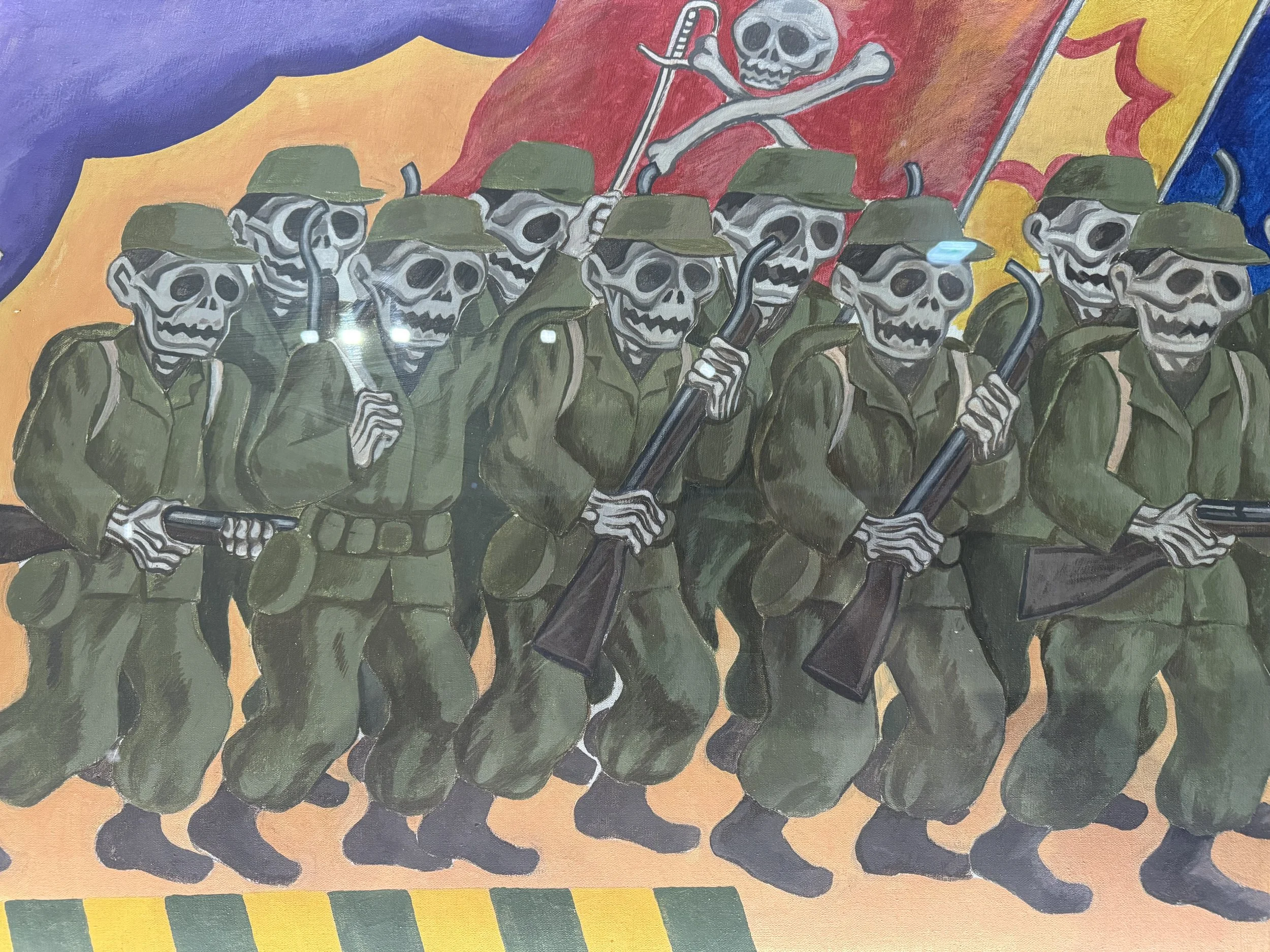
Let’s talk national security
It’s a scary world out there. In response, local policymakers have talked publicly about the need for a “national security conversation”.
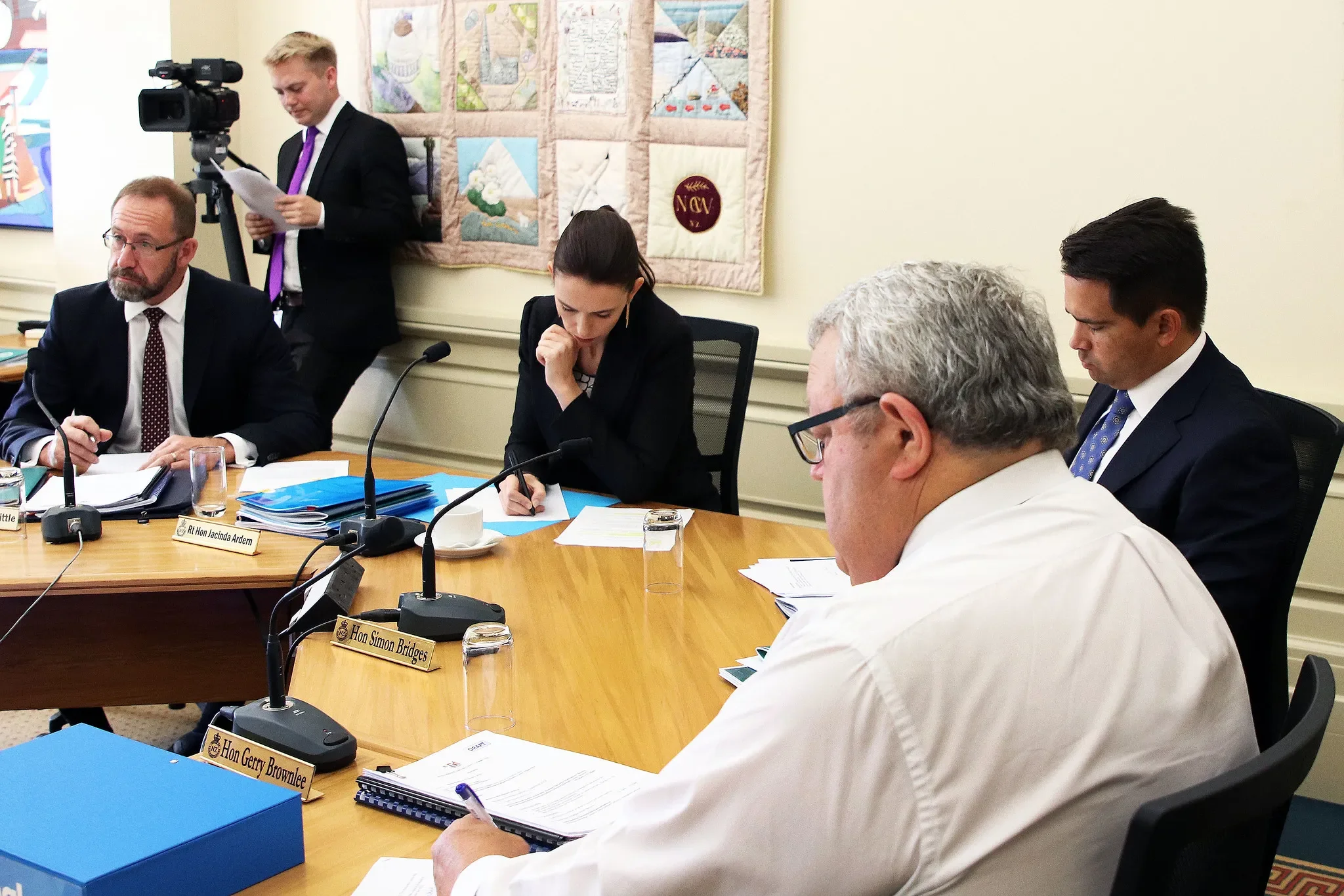
A national security-shaped hole in our political agenda
As we face an unprecedented era of national security challenges, it’s high time we had an open conversation about critical government investment needed to make NZ a safer place to live, says Dr Peter Grace

When Balance of Power fights Market Power
The new Lowy Asia Power Index reveals political power shifts, but may understate the unwillingness of Big Business to toe the line.
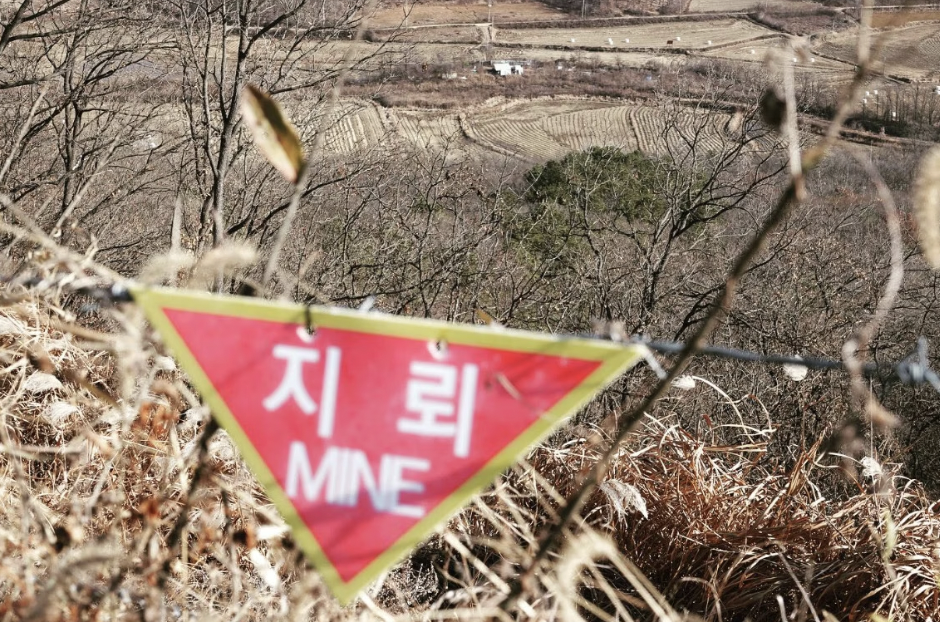
Living under threat - lessons from South Korea
A better understanding of how South Koreans respond to threat can help New Zealand manage security threats as they arise