For safety’s sake
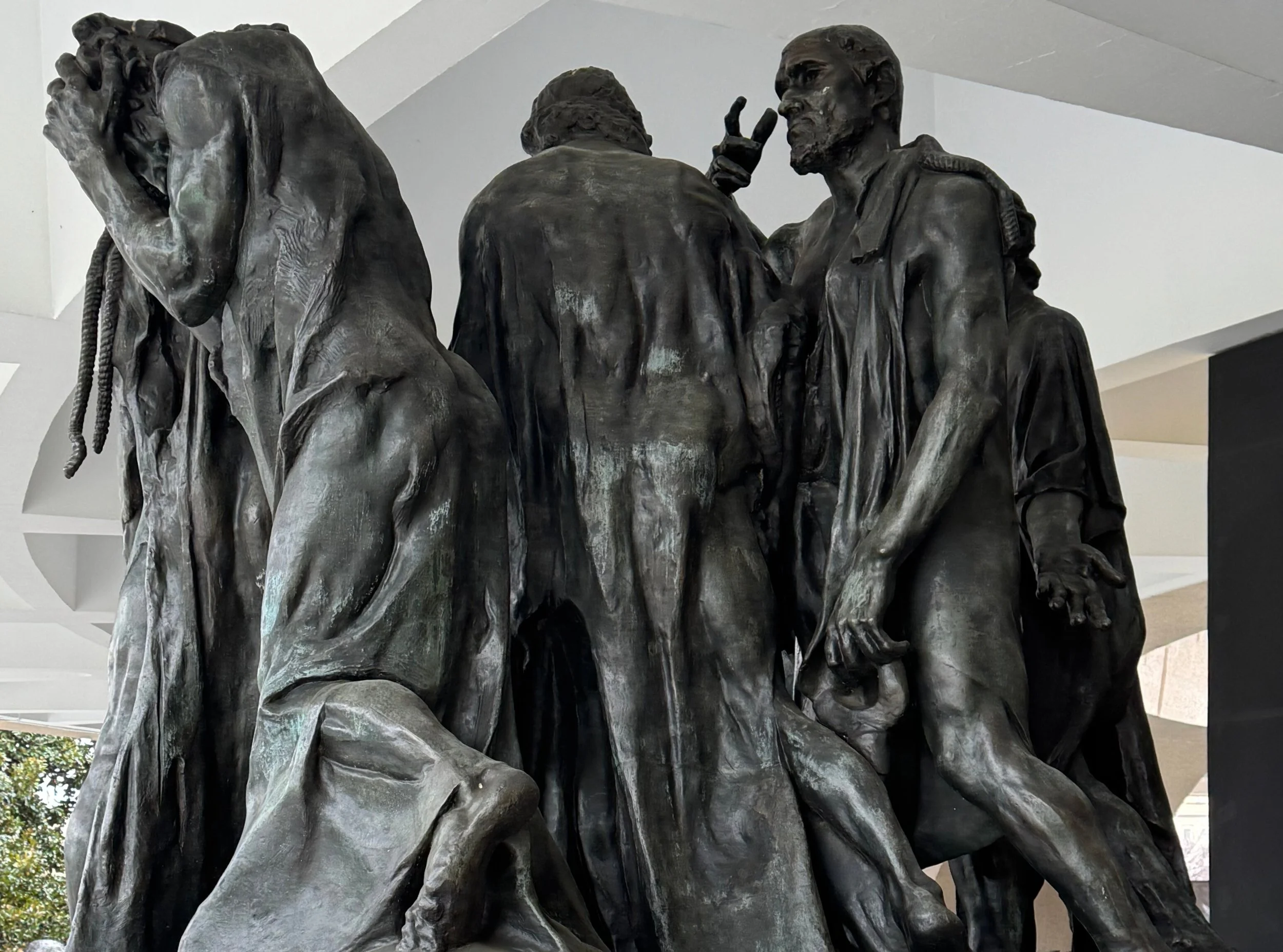
Would you be willing to give up your freedom to be protected by the state?
Philosopher Thomas Hobbes certainly thought so, and argued that is exactly the way society is structured. Living at a time when England was brutalised by civil war, he saw how the prioritising of safety might come before all other needs.
I am in Seoul, talking to policymakers and academics about engaging South Koreans in national-security policymaking. The primary threat – North Korea – has been hanging over people’s heads for 70 years. Twenty-five million people live within range of the North’s artillery. Even more frighteningly, leader Kim Jong-un regularly threatens the South with his nukes.
So, how close does Hobbes’ model come to the South Korean experience? Quite close, actually. In the run-up to the March 2022 presidential election, only 7% of people considered North Korea an issue, according to a poll.
Many of the 7% are likely to be over 60, a group that has strong memories of the Korean War. Those aged 30-50 are more pro-peace and want engagement with Pyongyang. Those under 30 just want to enjoy the economic privileges they have, and are more likely to side with their seniors in wanting a stronger response against the North’s “provocations”. Focused on making a living, South Koreans shift the responsibility for their protection entirely to the state.
The Seoul government, divided into conservative and progressive parties, is transactional in the way it manages threat. Two weeks ago, when the North Koreans fired a missile that fell into the sea past a demarcated line but outside the South Korean 12-mile territorial limit, Seoul fired three back. They also fell into the sea, as intended. A day later, the South’s air force detected 180 enemy planes active in the airspace across the border. In response, it scrambled 80 stealth fighters.
Both incidents were reported in South Korea’s main media outlet as being “firsts” since the Korean War went into ceasefire in 1953. Yet, what would have created alarm in any other country caused barely a ripple. And President Yoon Suk-yeol was quoted through his communications team. This is a deliberate strategy of keeping the lid on fears.
A few days later, though, in response to the death of 157 in the Itaewon Halloween crush, he made a direct apology to the people, promising a full investigation.
Scholars have argued that people living through long, violent, intractable conflicts will become used to living with threats, stress, distress and hardship. It has a huge impact, however, on their psychological health. This seems true of South Koreans.
Despite their apparent nonchalance, mental illness has reached epidemic levels, after gradually increasing in the past 20 years. According to a recent report, 95% are stressed with “alarmingly” high rates of depression among hawkish senior citizens. South Koreans may outsource their security needs to the government, but they live in an increasingly competitive and stressful culture.
What would it take to shake South Koreans out of their inertia? A former high-ranking diplomat told me an escalation of three factors would frighten them: North Korea’s recent military doctrine that allows first use of nukes; more missile launches; and a resumption in nuclear-weapons testing. A retired general told me Seoul’s insistence on tit-for-tat responses runs the risk of an accidental war breaking out. Kim is now sending Russia armaments to support their Ukraine invasion, fuelling talk of a new Cold War bloc.
This has complex implications for New Zealand’s idea of a “national-security conversation”. Threats suffer from burnout. Even a society that has lived with the possibility of annihilation for 70 years is susceptible to the temptation to just get on with life.
It is hard not to think of the national-security threat of climate change in this context. We can shunt the problem to the authorities to deal with, and comply with the policies they decide for us. But anxiety may continue to build, regardless of our absence from the decision-making. The prioritisation of national-security strategies has to be a collective effort.
This article first appeared in NZ Listener, November 26, 2022
