“Mysterious and Glamorous”. CIA analyst Sherman Kent had Bond’s style.
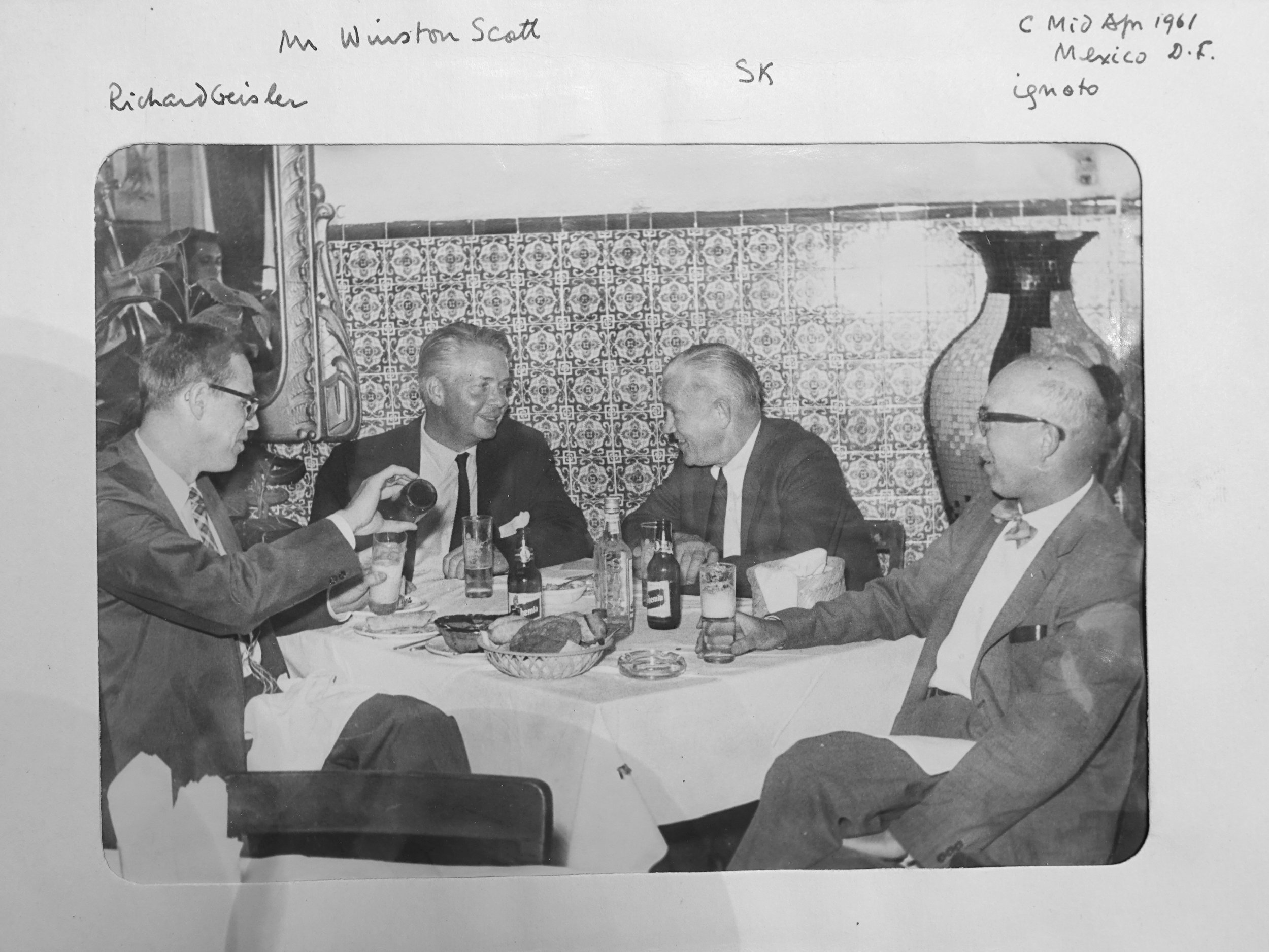
Photo of Sherman Kent, Winston Scott, and Richard Geisert at El Taquito, Mexico 1961
“Mysterious and Glamorous”. CIA analyst Sherman Kent had Bond’s style.
James Bond may have his Rolex watch and Aston Martin DB5, but CIA analyst Sherman Kent could match him on most matters of taste. The man that Yale historian Wallace Notestein once described as “mysterious and glamorous” was instrumental in establishing the CIA’s Office of National Estimates: where assessments critical to U.S foreign policy were created throughout the Cold War.
His friends included Julia and Paul Child, Henry Fonda and the members of the martini-chugging Georgetown Set: “one of the most extraordinary clubs the world has known, a natural aristocracy”, including Secretary of State Dean Acheson, spymaster Frank Wisner and the Herald Tribune and Washington Post columnists Joe and Stewart Alsop.
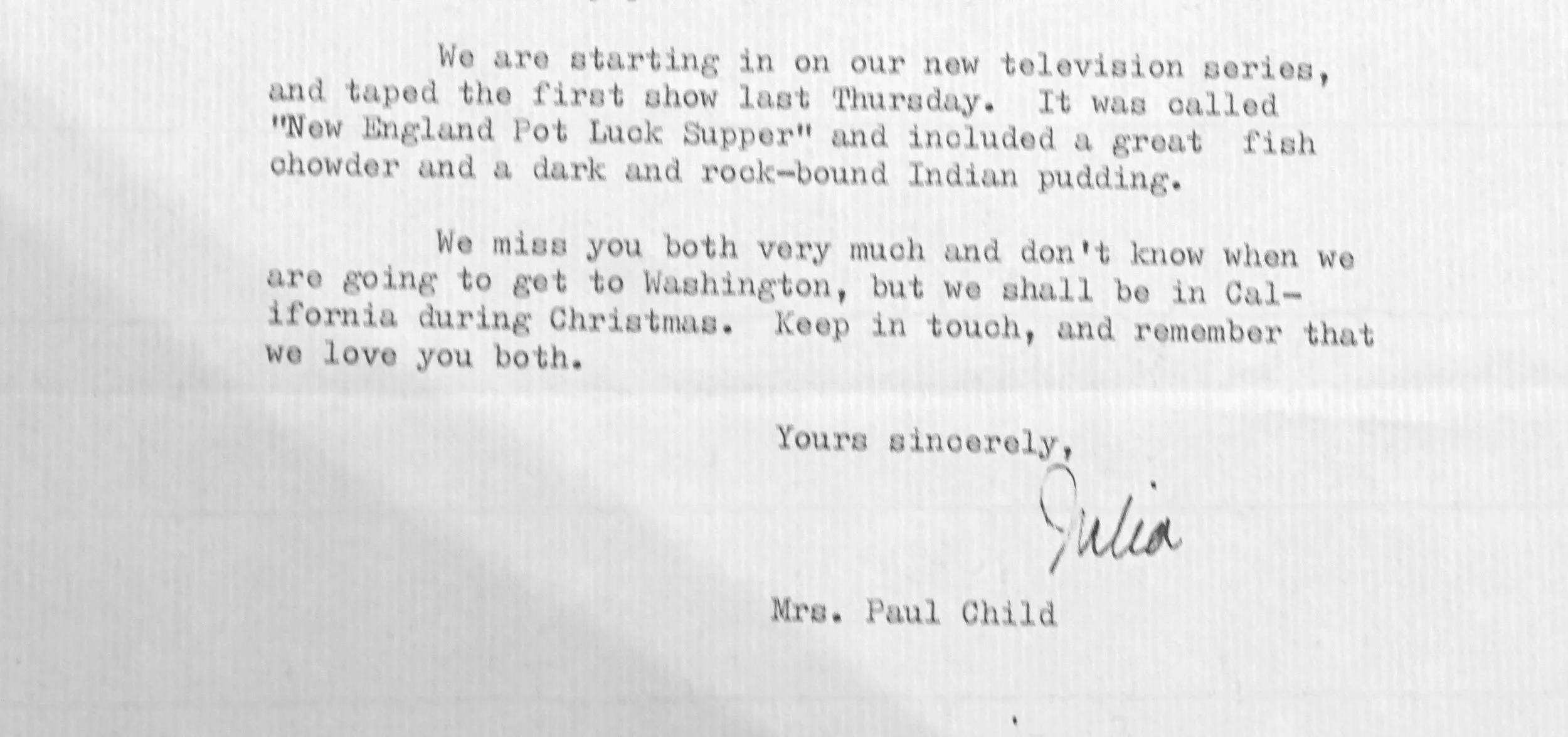
Letter to Sherman Kent From Julia and Paul Child
Known as “the cultured cowboy”, Kent spent his vacations boating near the family farm of Kentfield, Marin County and drank cocktails in restaurants like El Taquito in Mexico City.
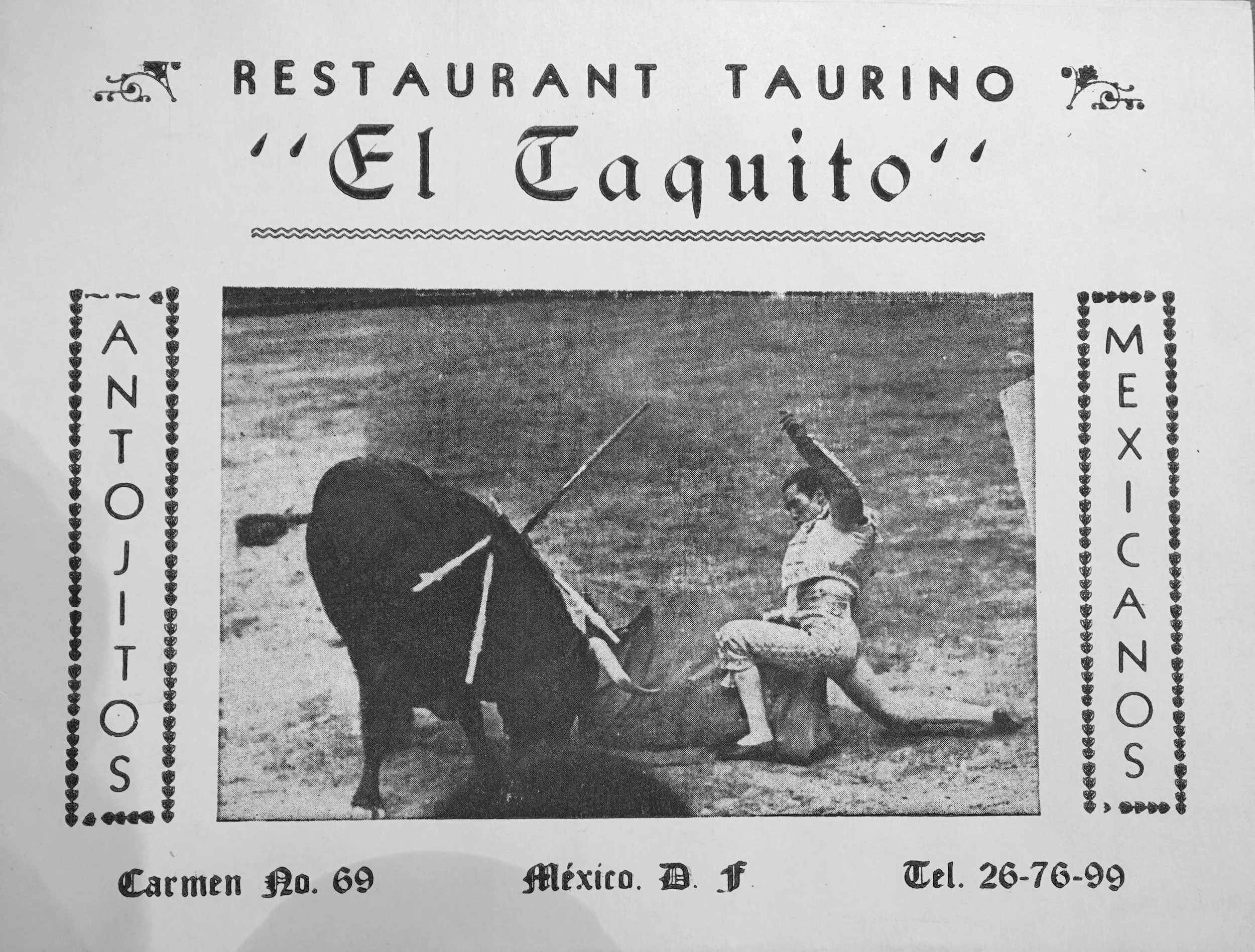
Memorabilia for Restaurant Taurino 'El Taquito
He travelled widely and spoke French fluently (he was a scholar of French history). During the war he purportedly visited Casablanca on a fact-finding mission while he was OSS’s chief of the North African and Europe desk. He wore colourful red braces and possessed “the saltiest vocabulary ever heard in a Yale common room.” A legendary knife thrower, he ordered his weapons of choice from AB Gunnar Flink of Stockholm and his diving gear from Abercrombie & Fitch.
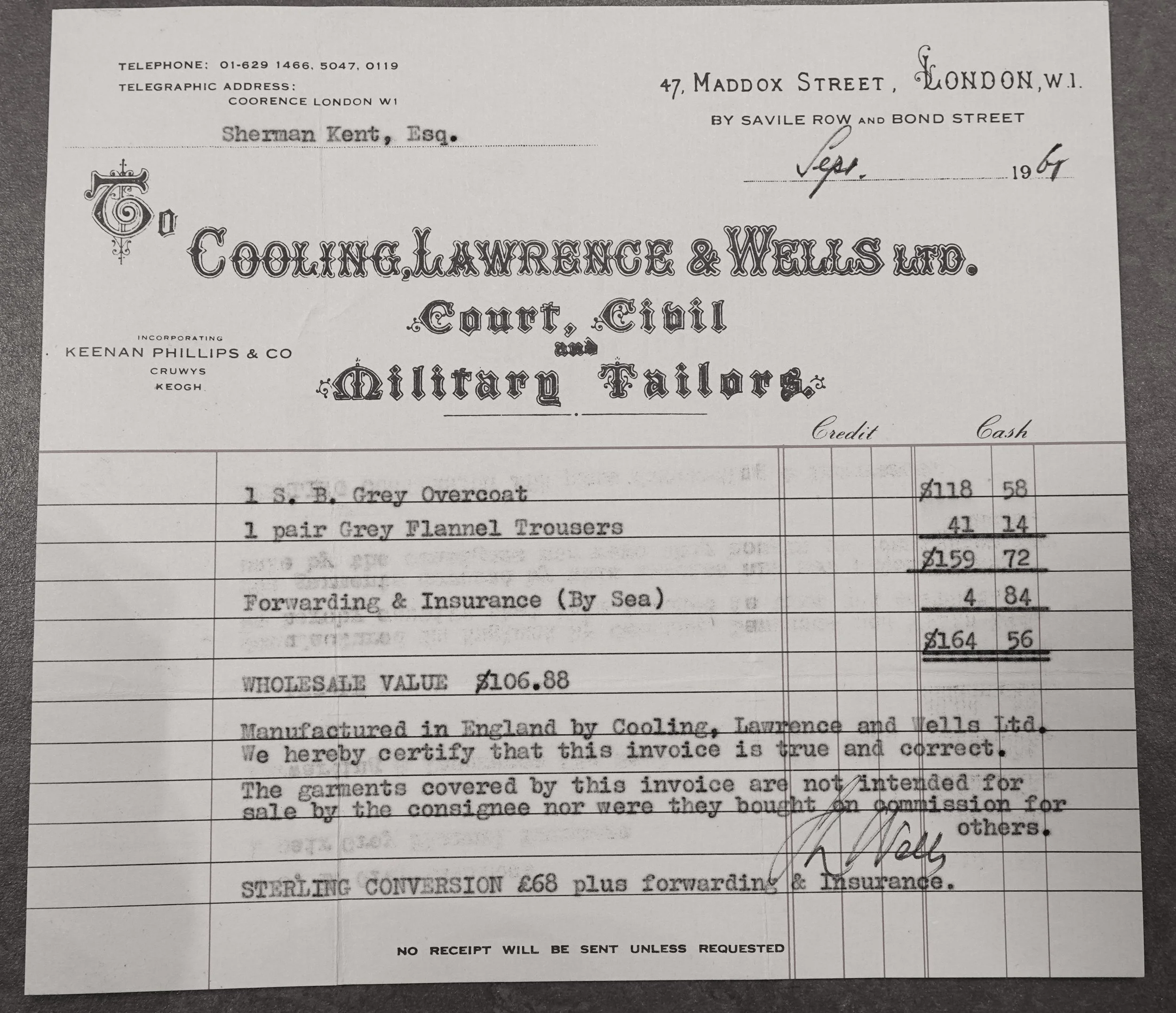
Sherman Kent’s Order Sheet From Cooling Lawrence & Wells, 1968
As befiitted a Yale professor, Kent bought his summer seersucker suits, shirts and socks from J. Press on York Street, across the road from Saybrook College in the heart of Yale’s New Haven. He would match these with a jaunty plaid tie. His pinstripe suits were made on Savile Row by the tailors Cooling, Lawrence and Wells, and in Hong Kong by A-Man Hing Cheong. The latter wrote to Kent in 1973, asking him to send a suit to copy as – while they still had his measurements – “it is past quite a long time, we wonder if you get fat or not.” They sent him swatches of black, grey and blue wools and two Prince of Wales checks to choose from.
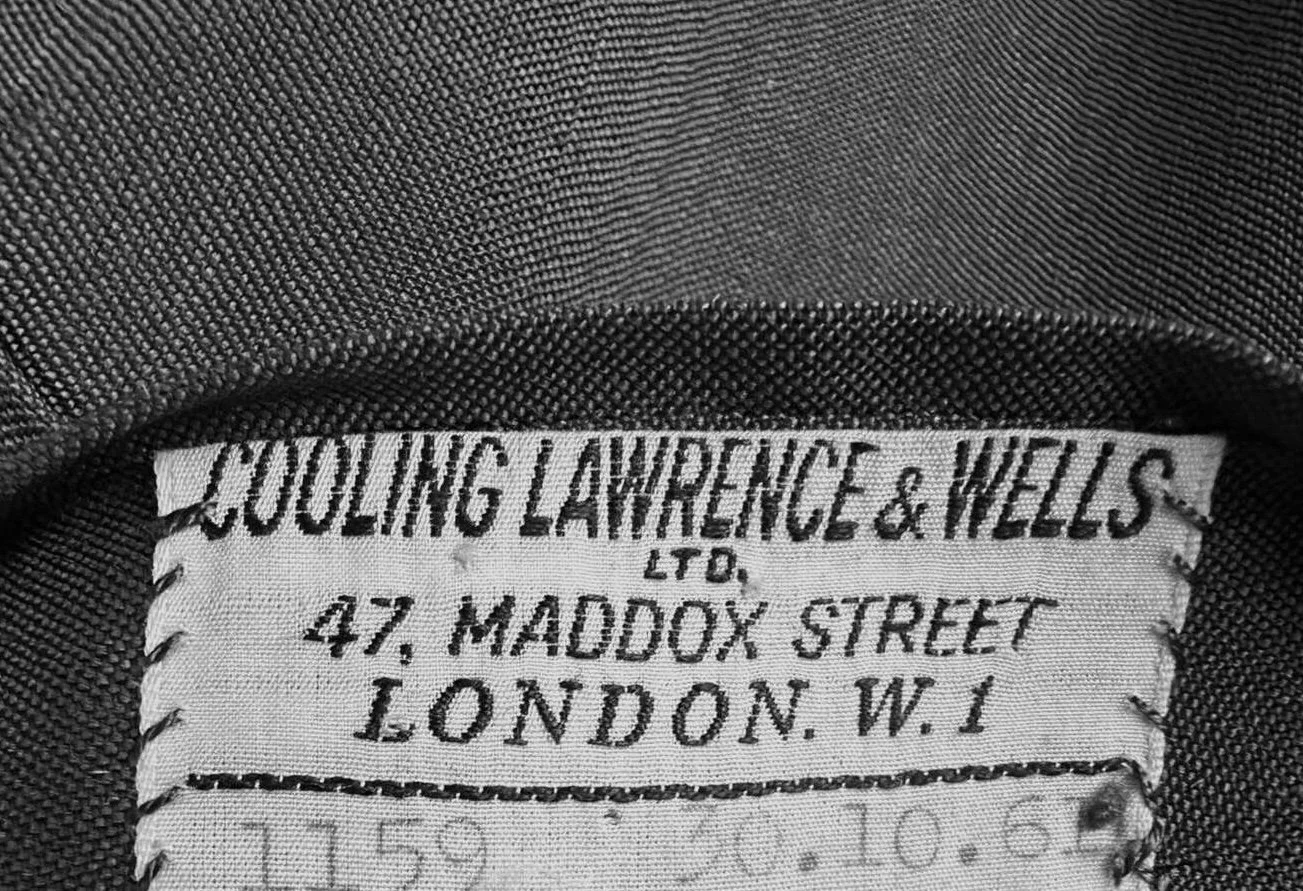
Waistcoat by Cooling Lawrence & Wells Tailors, London 1961
He sported a vintage Patek Phillipe, which is still owned by his son Sherman T. Kent.
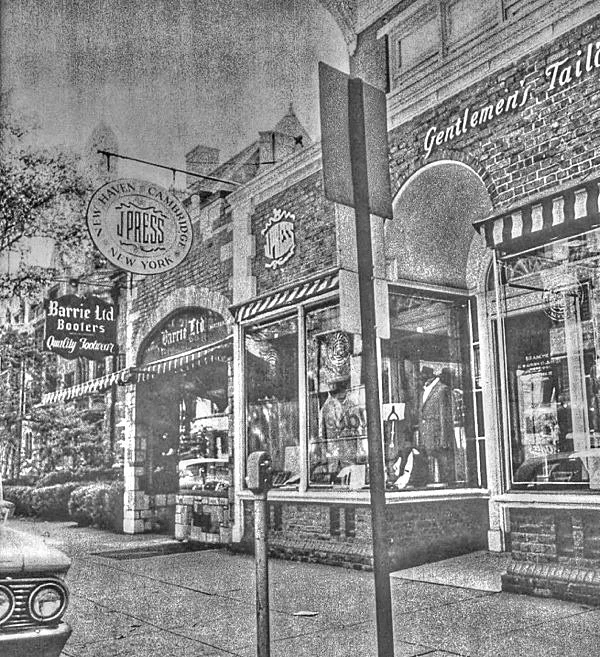
J. Press x Take Ivy Deluxe Slipcased Edition by Ishizu, S. and Hayashida, T.
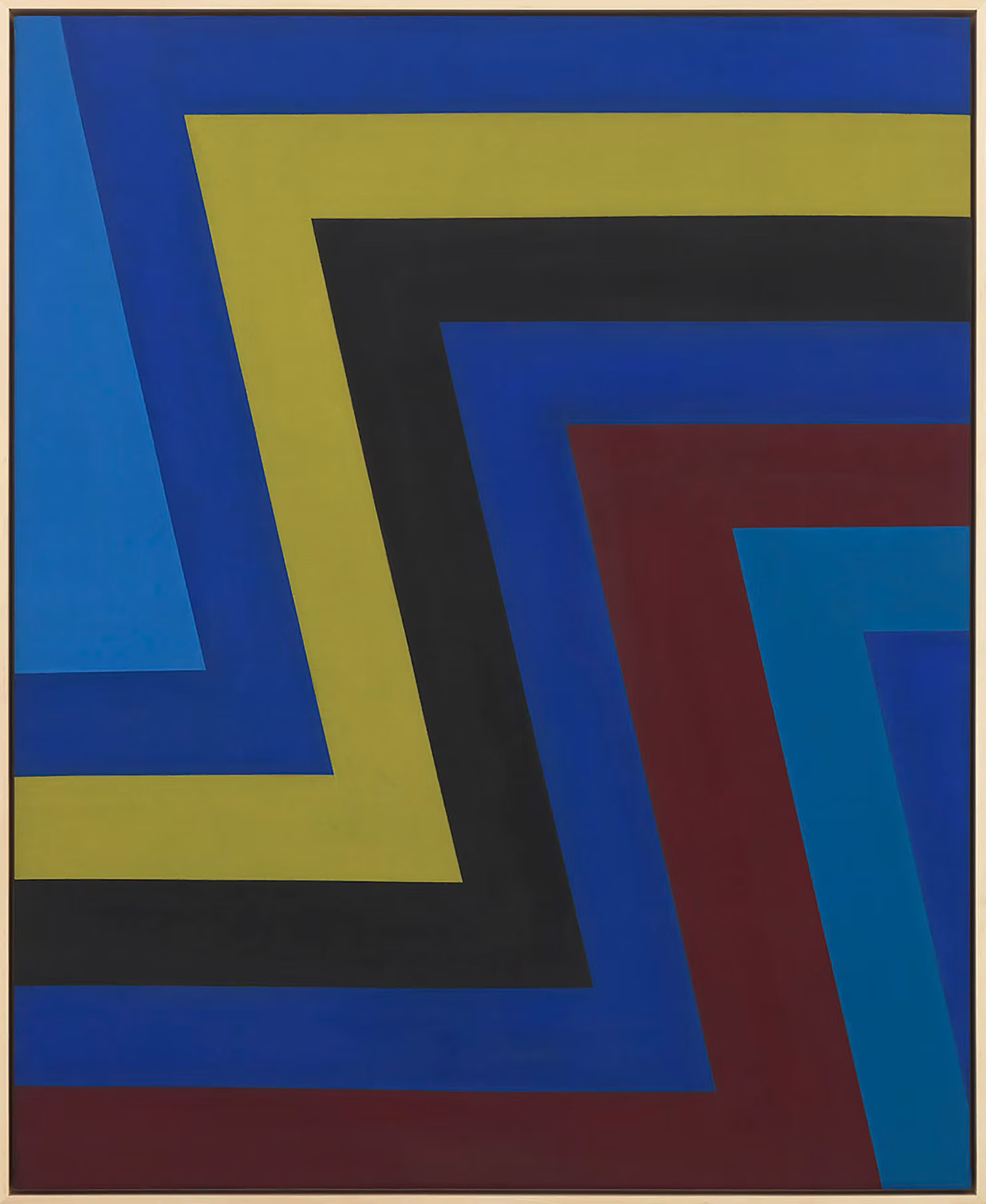
Howard Mehring Blue Rising, 1967
Kent also collected modern art, including a painting by the fauvist Raoul Dufy; two Picasso etchings; paintings by Jean Lurçat; the German-American expressionist Lyonel Feininger; the Washington Colour School painter Howard Mehring; and and oils and gouache by the Russian painter Paul Tchelitchew. He gave two of the Tchelitchew works to Yale Art Museum in 1978.
All this from the man who came to be known as the “Father of Intelligence Analysis”.
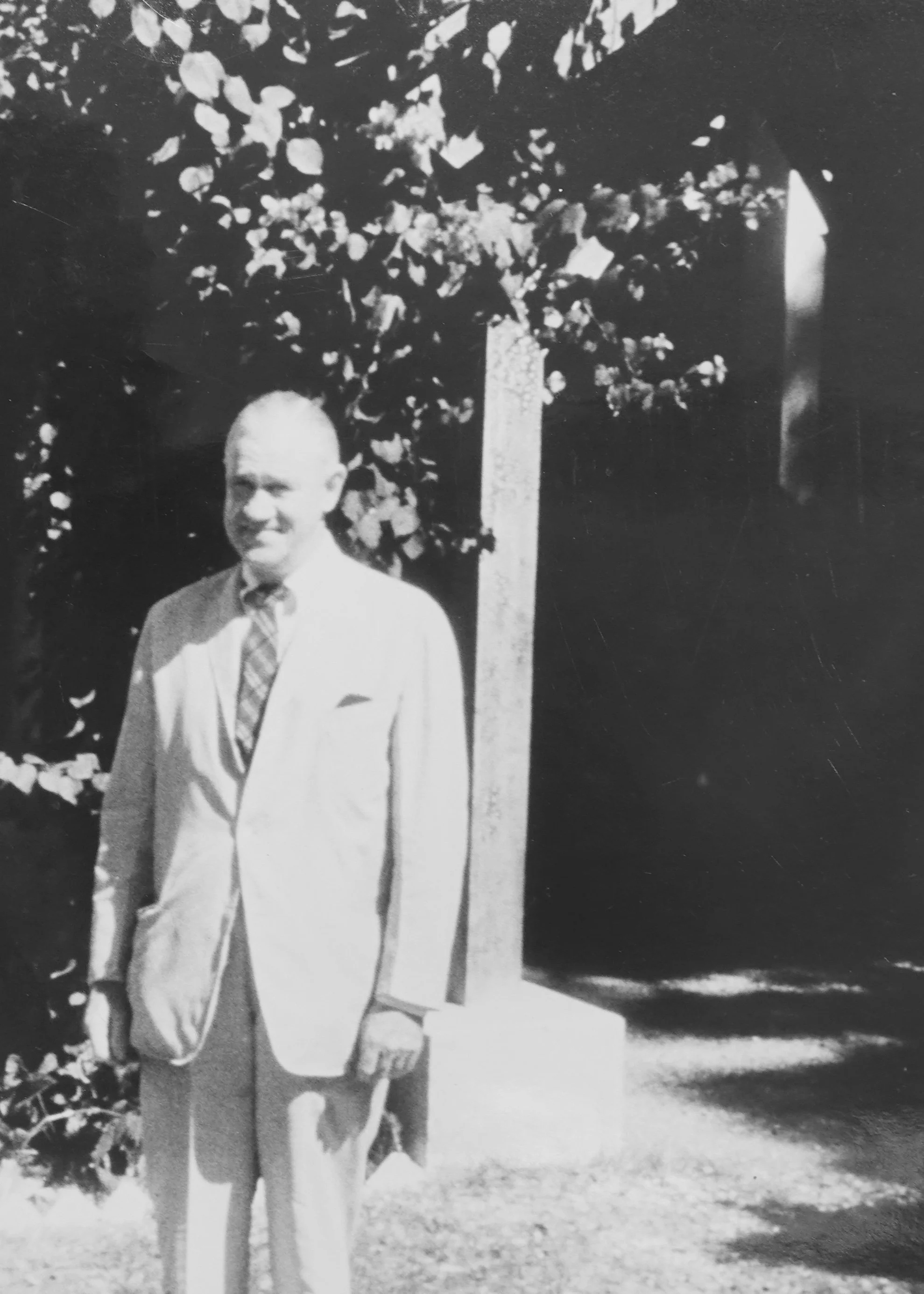
Sherman Kent, the 007 of Intelligence Analysis
You can read more about Sherman Kent in The Intelligence Intellectuals: Social Scientists and the Making of CIA.
Read Peter's new book, The Intelligence Intellectuals: Social Scientists and the Making of the CIA.
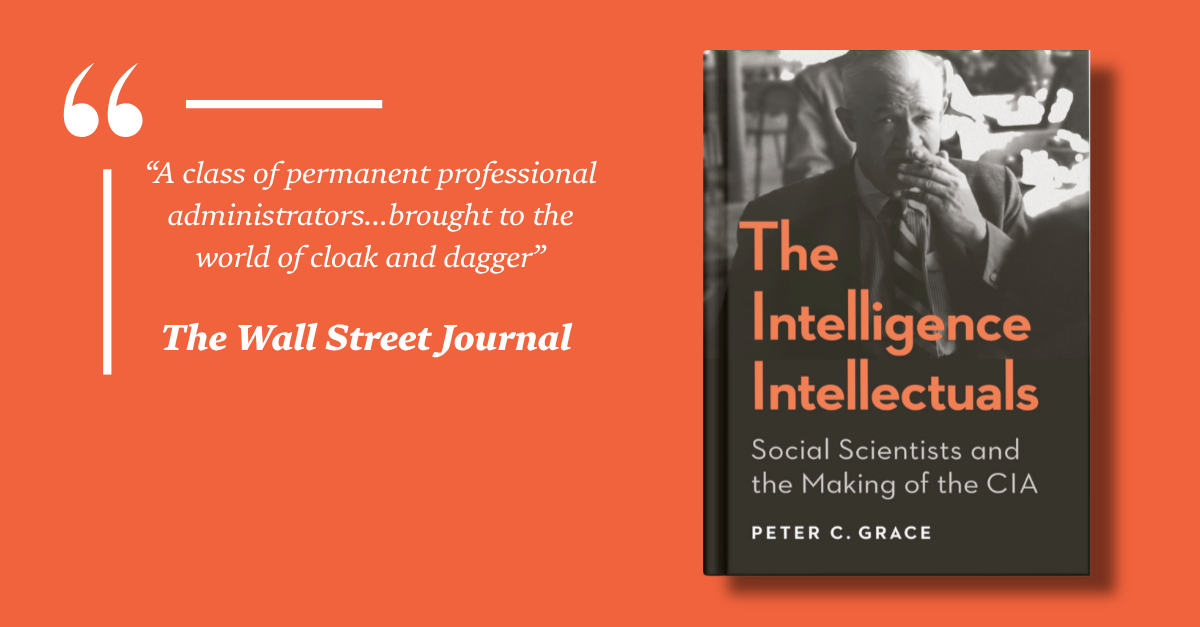
The Intelligence Intellectuals explores the relationship between knowledge, power, and national security. It also examines the tension between uncertainty and prediction — especially the challenge of trying to scientifically anticipate Soviet intentions and global threats.
“This is going to be the most impactful IR book out of New Zealand in a generation (at least)”
“A terrific history of the CIA’s early struggle to become a world-class intelligence agency... ”
